Engineers, soldiers, industry and researchers have convened for one of the world’s largest workshops on additive manufacturing in defence, organised by the European Defence Agency (EDA) to develop 3D printing in defence.
Unique in the European Union, the 2026 Additive Manufacturing Village took place in Albacete, Spain. It is part of the EU’s push to deploy new technologies as military capabilities. The gathering reflects EDA’s core mission: to provide a platform where Member States, armed forces, industry and academia can collaborate, experiment and accelerate innovation.
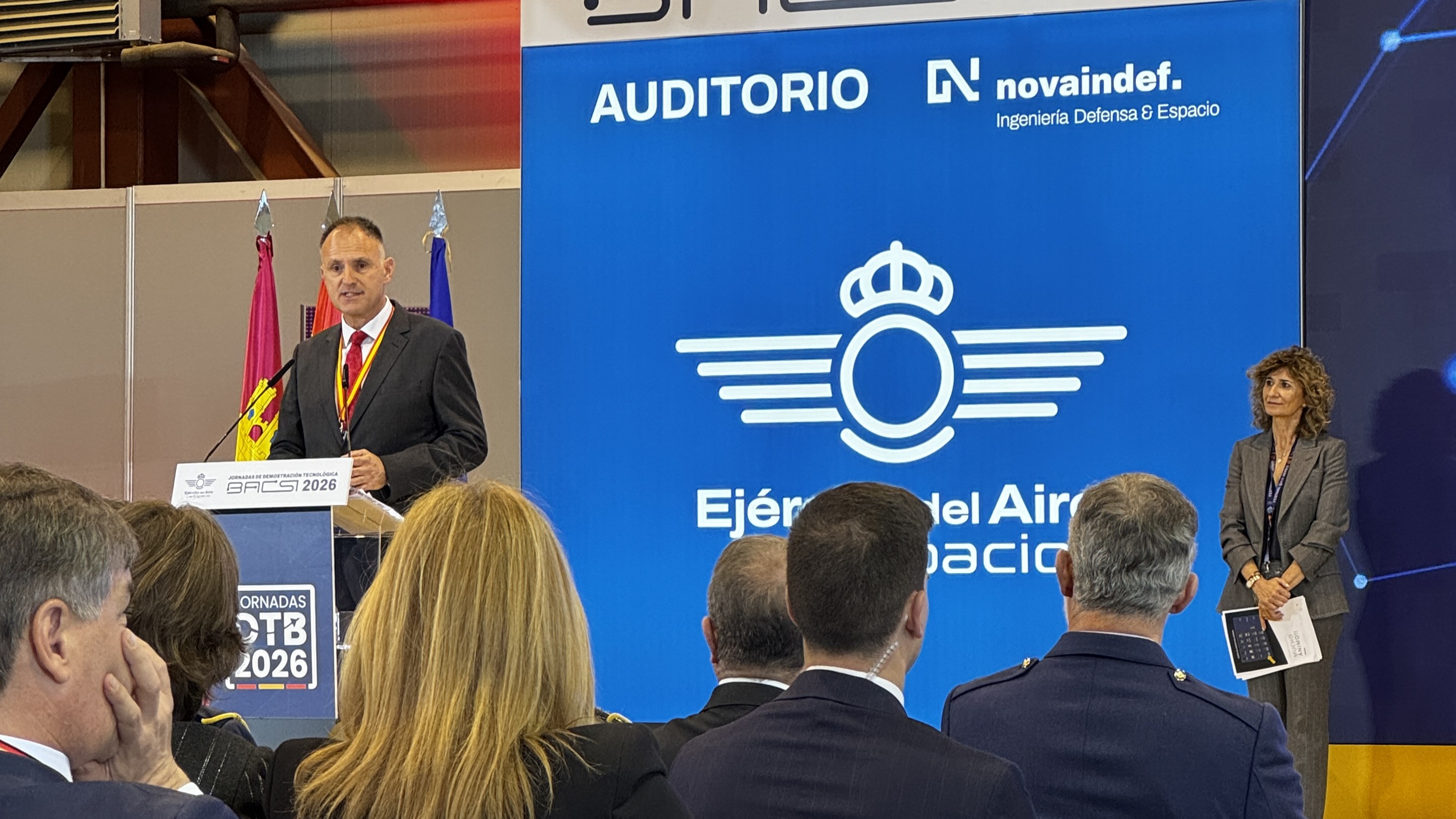
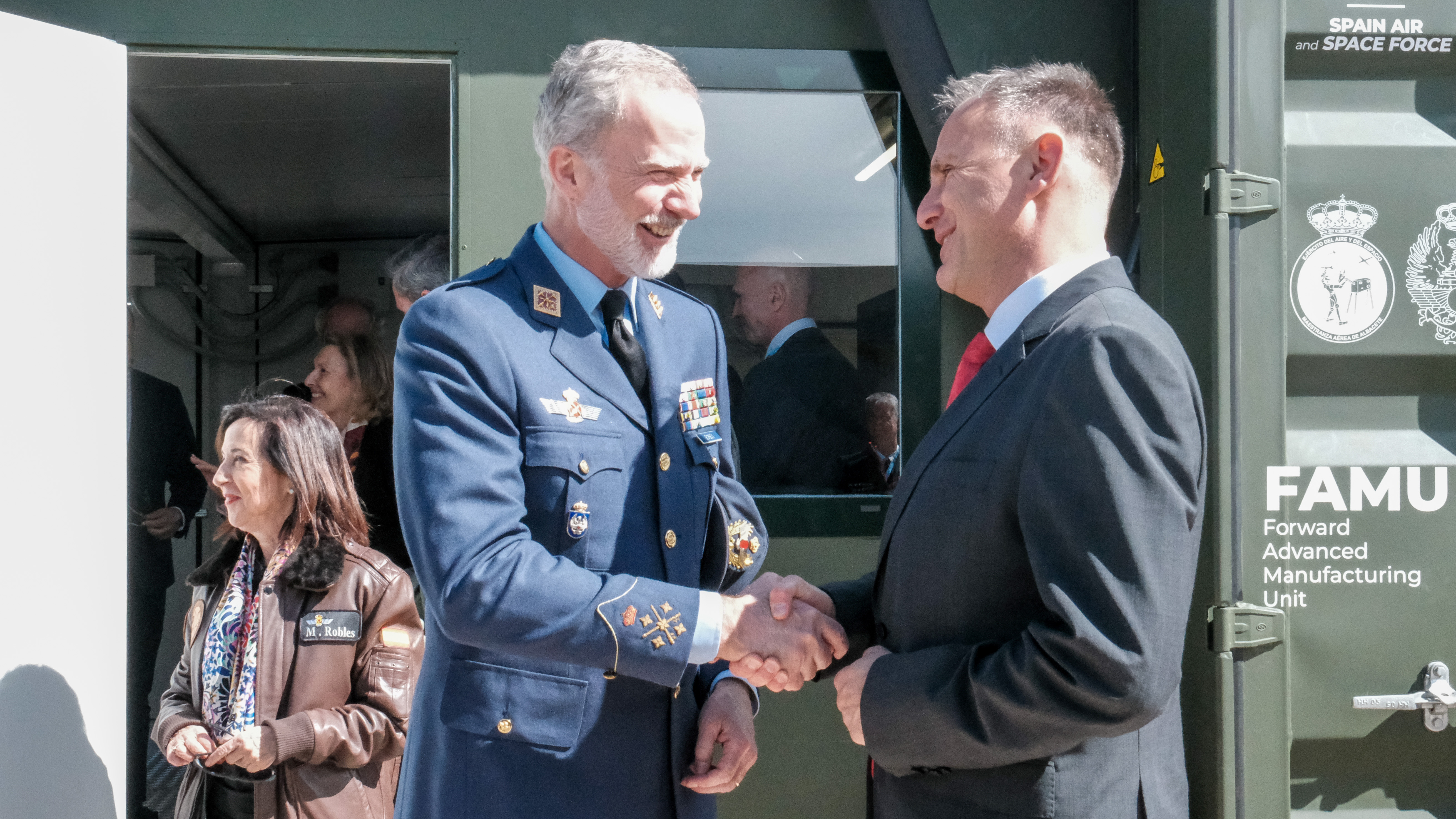
Spain's King Felipe VI visited the five-day event on 18 March and met EDA’s Chief Executive André Denk, who also addressed assembled Spanish air force and industry representatives at the Albacete air base. As the third and largest of the annual villages so far, the event brought together some 800 specialists from 14 Member States, as well as Norway, the United Kingdom and Ukraine, showcased their technology and shared experiences in the field.
From vehicle and weapon parts to rocket engines used in satellite launches, attendees displayed 3D‑printed parts and also the machines, many of which are mobile, they have developed.
Made by soldiers, for soldiers
Additive manufacturing, once considered an emerging field, is being taken up more widely by European armed forces, particularly in logistics support. The ability to produce parts on demand by soldiers closer to where they are needed can significantly improve operational effectiveness.
“Innovation only matters if it reaches the soldier in the field,” EDA's Denk said, noting that 3D printing can transform technological advances into an operational advantage. “Producing components where and when they are required can make a decisive difference.”
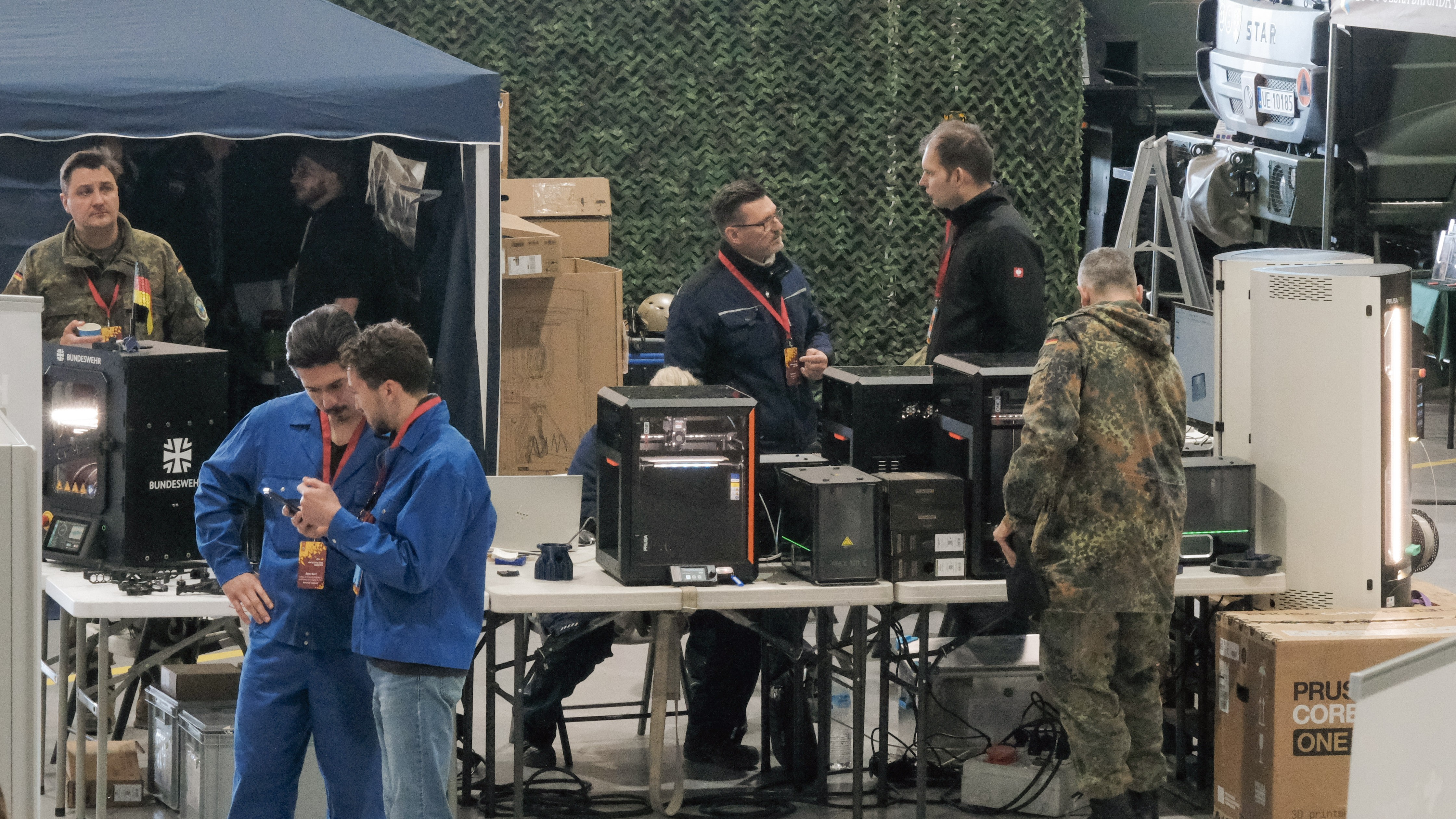
By also reducing reliance on complex supply chains, it helps armed forces manage disruptions, address equipment obsolescence and sustain high‑tempo operations. For example, troops can 3D print perimeter t-walls to protect their military bases
“What makes this village special is not only the technology, but the community behind it,” said Martin Huber, EDA’s Project Officer Logistics and Additive Manufacturing. “This is about people working together to deliver concrete solutions for military needs.”
The event comes at a time when European governments are bolstering defence readiness for 2030 and aiming to reduce strategic dependencies. EDA believes that the EU has both the expertise and determination to meet the challenges collectively.