Six EU Member States – Austria, Croatia, Germany, Lithuania, Slovakia and Slovenia – have declared their intention to explore common procurement of Chemical, Biological, Radiological and Nuclear (CBRN) surveillance equipment and services through the European Defence Agency (EDA). The initiative marks a further step towards strengthening European defence cooperation and interoperability, with EDA supporting the participating countries through its new Collaborative Defence Procurement Centre (CDPC).
At the margins of the EDA Ministerial Steering Board on 17 November 2026, the six countries signed a joint declaration expressing their political intent to explore and, subject to national approval procedures, pursue common procurement under the next phase of the existing CBRN Surveillance as a Service (CBRN SaaS) project. Other EU Member States will also be invited to join the initiative.
The planned procurement would allow participating Member States to acquire interoperable CBRN surveillance systems and services, while benefiting from economies of scale and reduced administrative burden.
“European defence readiness requires more than ambition. It requires delivering concrete capabilities together. Through its new Collaborative Defence Procurement Centre, EDA can help Member States combine their purchasing power, coordinate joint procurement, reduce costs and deliver interoperable solutions. This is how EDA turns European defence cooperation into concrete results,” said EDA Chief Executive André Denk.
"The countries that acquire the CBRN reconnaissance and surveillance systems under this project can easily cooperate with the systems of other participating countries. Threats can be detected without putting human lives at risk," said Austrian Minister of Defence Klaudia Tanner. Austria is the lead nation of the project.
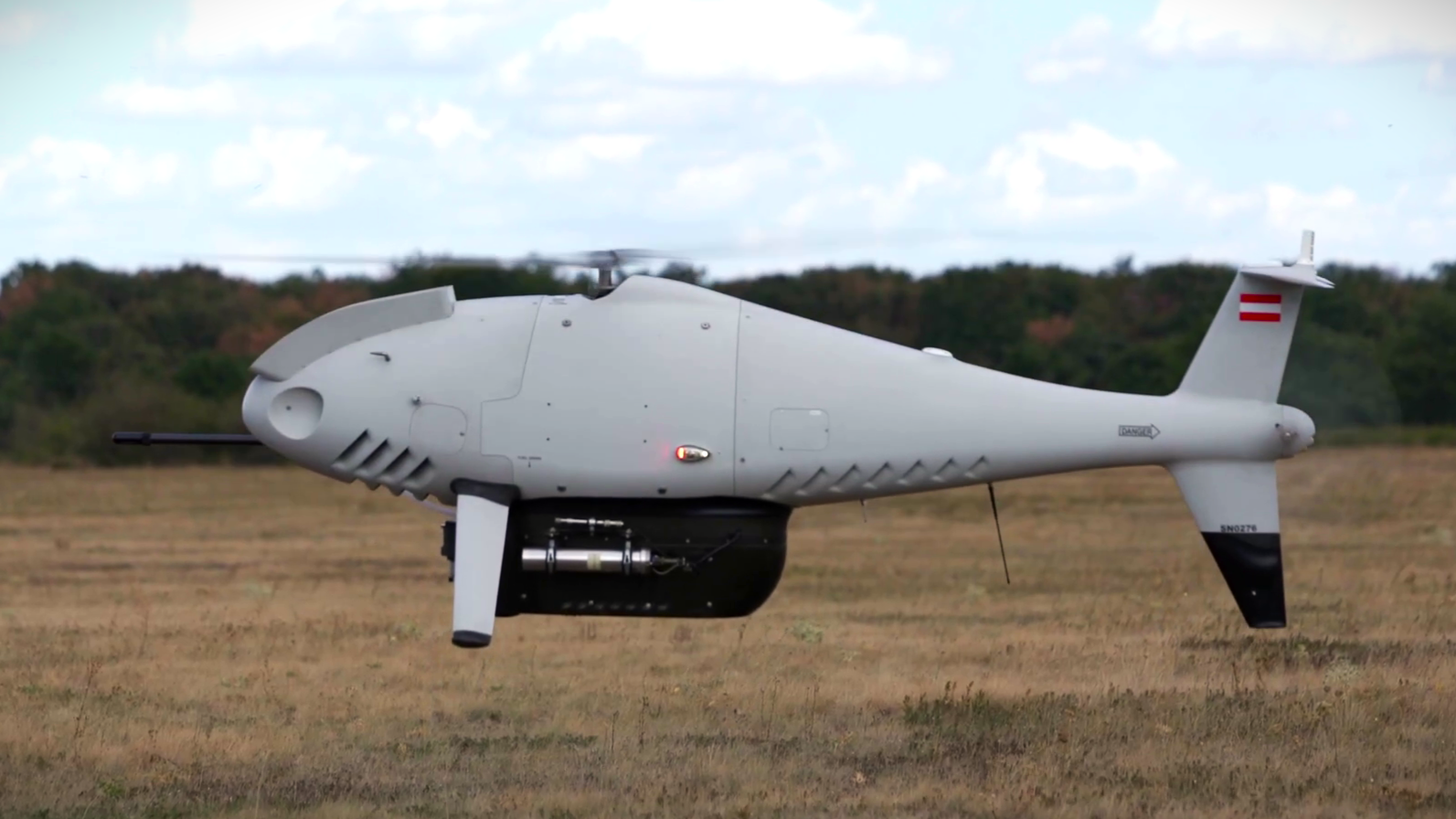
Using drones for CBRN surveillance
The initiative builds on cooperation launched in 2018 under a Permanent Structured Cooperation (PESCO) project, supported by EDA. It brought together national experts, innovators and industry to develop advanced CBRN reconnaissance and surveillance technologies.
These include sensors capable of detecting and transmitting information about hazardous chemical, biological, and radiological substances. The sensors can be integrated into unmanned platforms, such as drones and autonomous ground vehicles, allowing armed forces to identify threats while reducing the risk of personnel exposure. Specially developed software immediately evaluates and processes the transmitted data, generating a real-time CBRN situational picture to support commanders' decisions.
Some of these technologies were recently tested during the EU Operational Experimentation (EU OPEX) exercise in Portugal, demonstrating their potential for operational use.
The development phase of the CBRN SaaS project is expected to be completed in mid-2027. The joint declaration opens the door for possible common procurement under the next phase.
EDA strengthens its role in collaborative procurement
Supporting Member States in common procurement is a key element of the ongoing strengthening of the European Defence Agency.
In September 2026, Ministers of Defence approved a further reinforcement of EDA's role in capability development, defence innovation and collaborative procurement. This includes the establishment of the CDPC, designed to help Member States pool their requirements and procure services and off-the-shelf solutions together.
The CBRN SaaS initiative illustrates the potential of this approach: building on collaborative research and development to move towards the joint acquisition of interoperable defence capabilities.
By aggregating demand, collaborative procurement can help Member States reduce costs and streamline procurement procedures. These efforts contribute to the broader objective of strengthening European defence cooperation and delivering defence readiness by 2030.